ERTMS-registerNow_3-2

ERTMS 2026 Conference

Published: 22 July 2025 Updated: 26 February 2026

REGISTER NOW – The Agency welcomes you in Valenciennes, France, on 21–23 April 2026. Discover the newly published, comprehensive descriptions of the workshop sessions.

Event
Date
Tuesday 21 April 2026, 12:00 - Thursday 23 April 2026, 14:00 (Europe/Paris)
Location
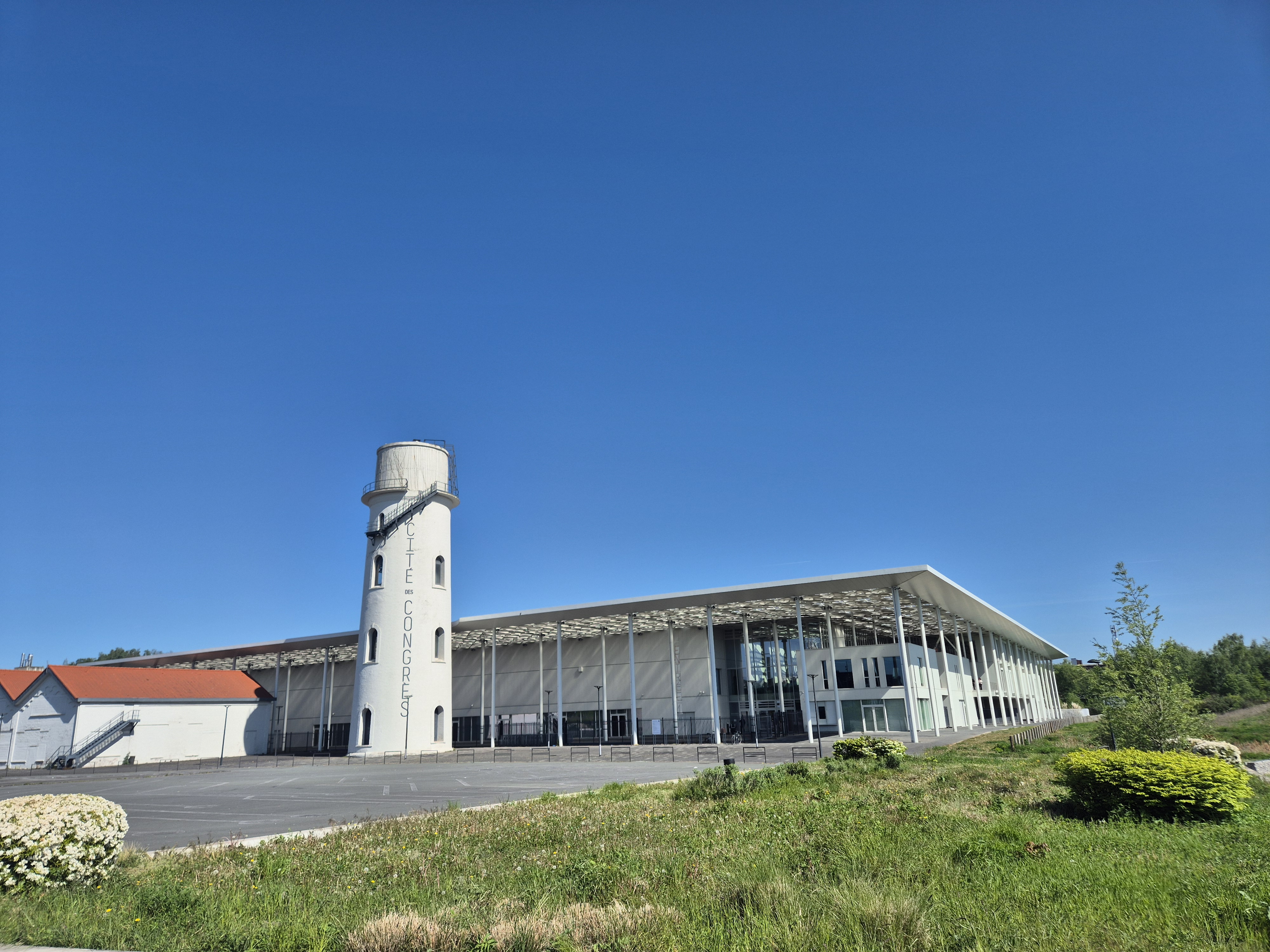
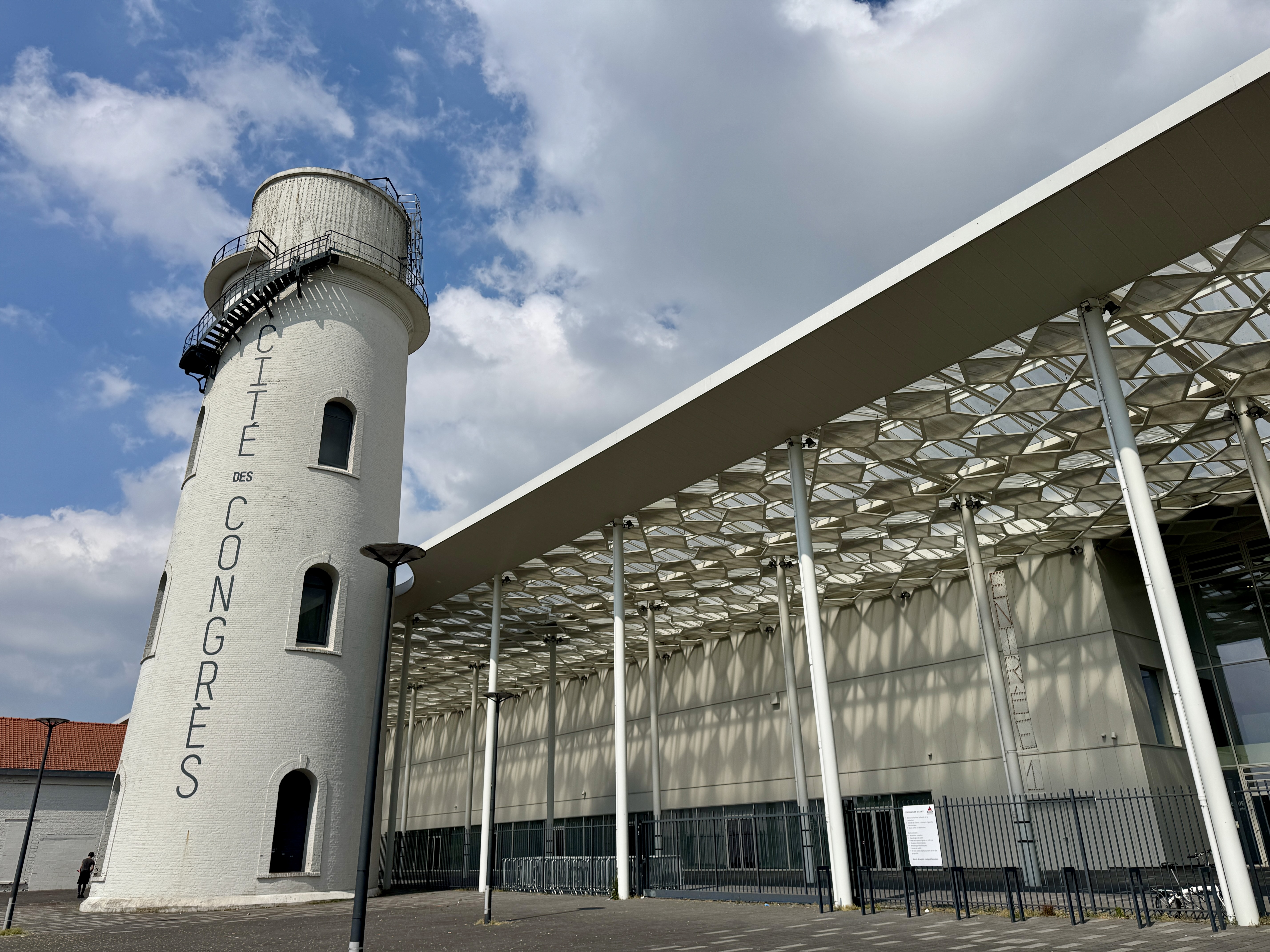
Cité des Congrès Valenciennes, 1 Esplanade des Rives Créatives de l’Escaut, 59410, Valenciennes, Prantsusmaa

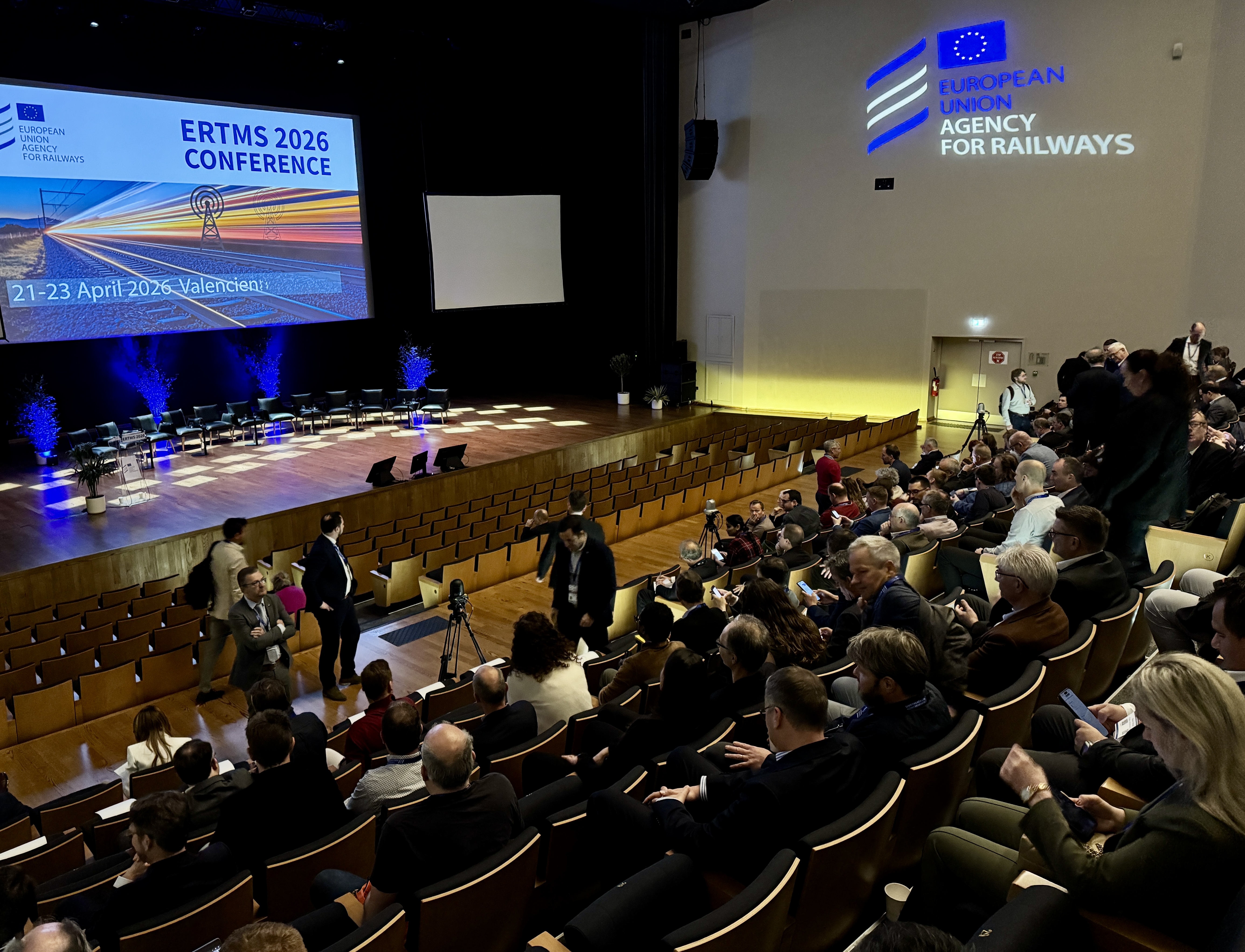
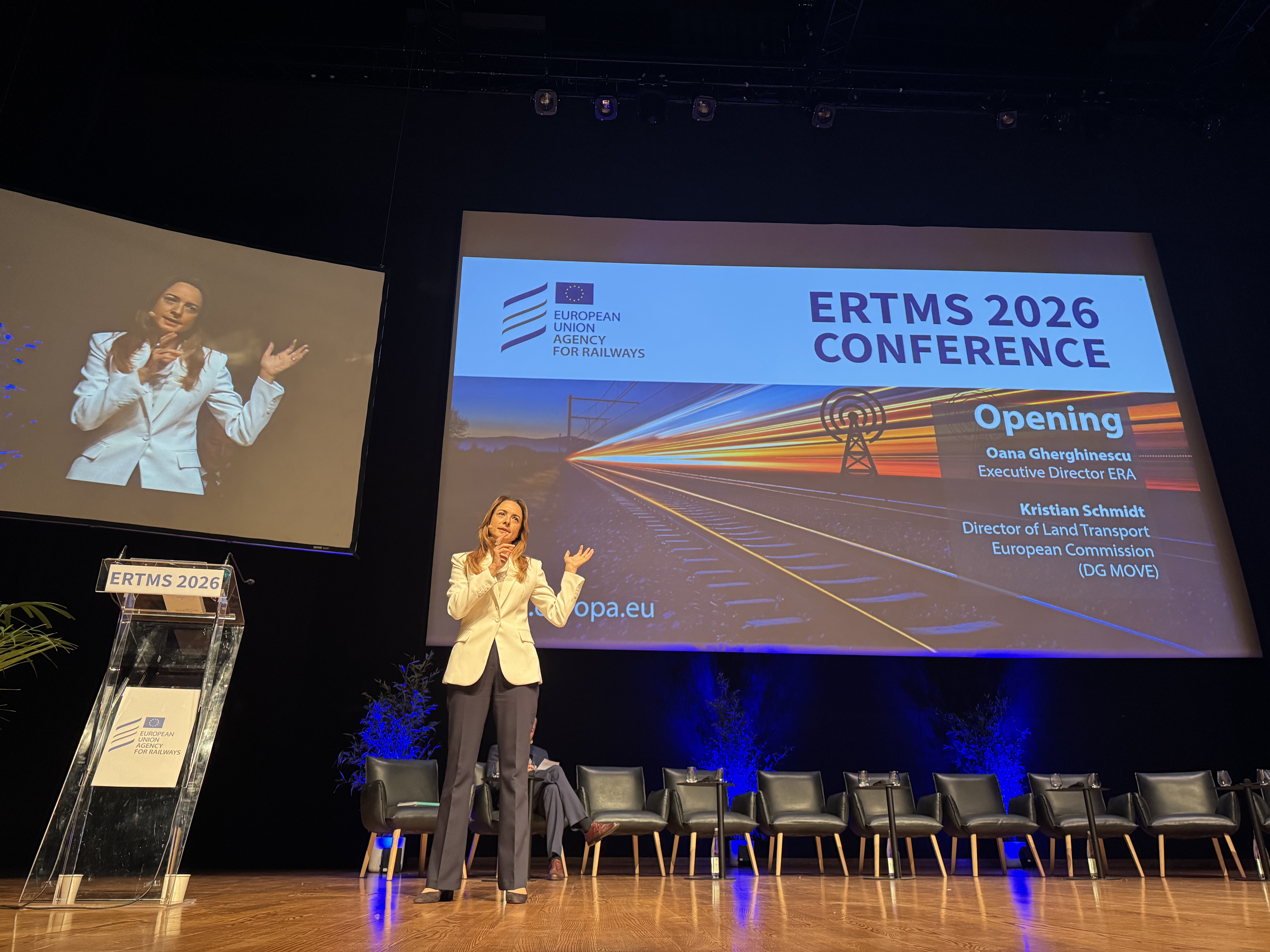
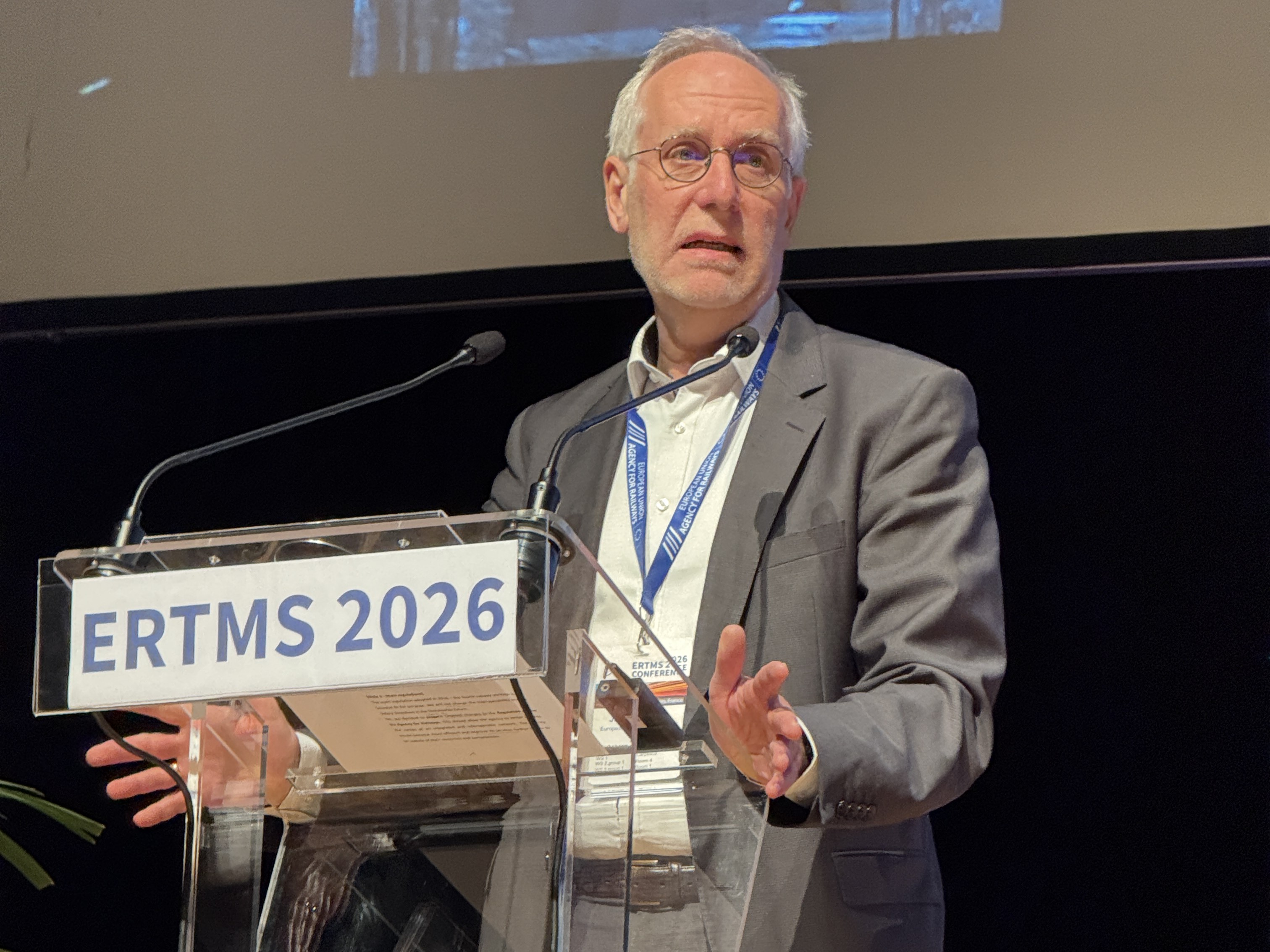
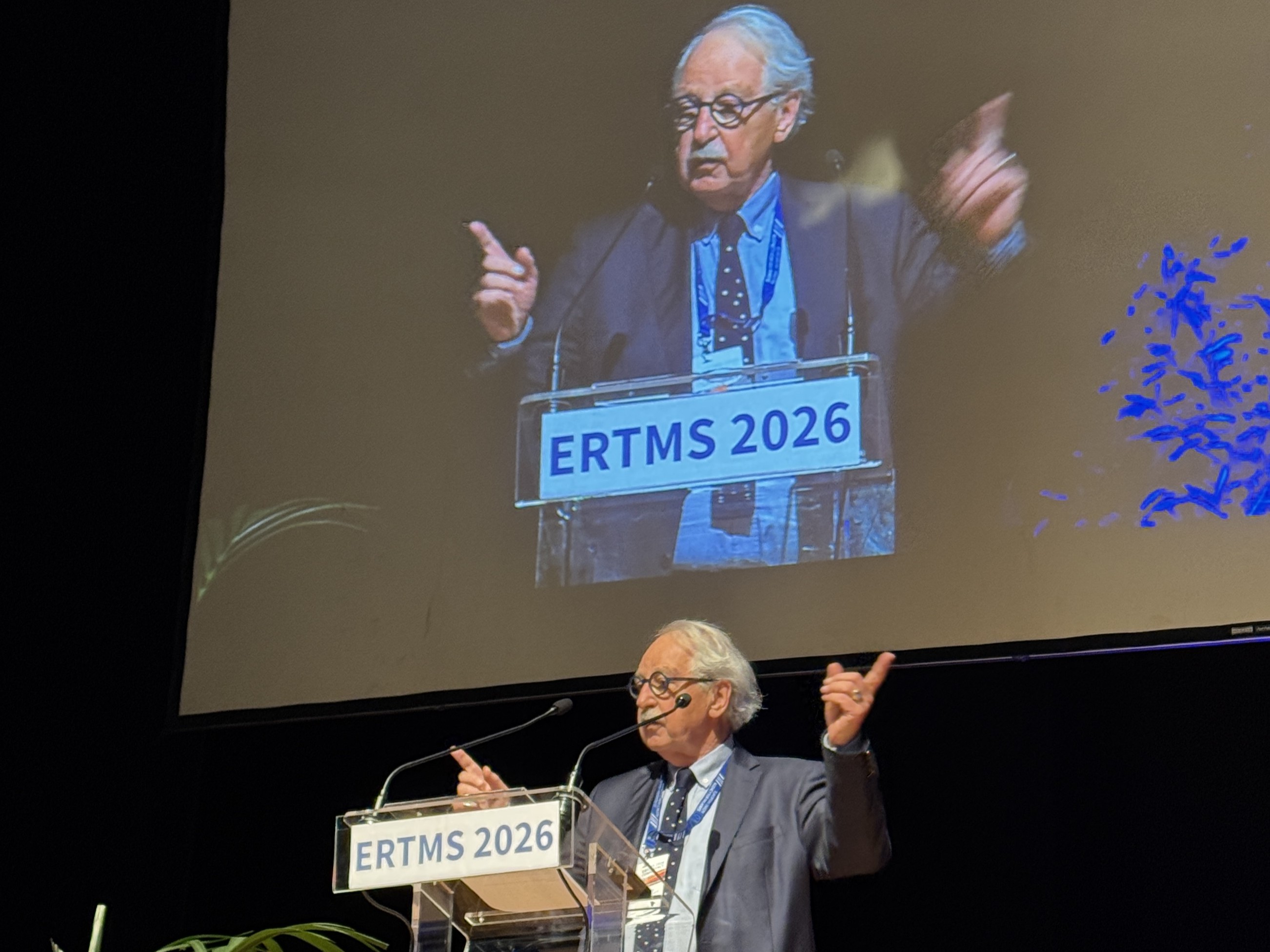
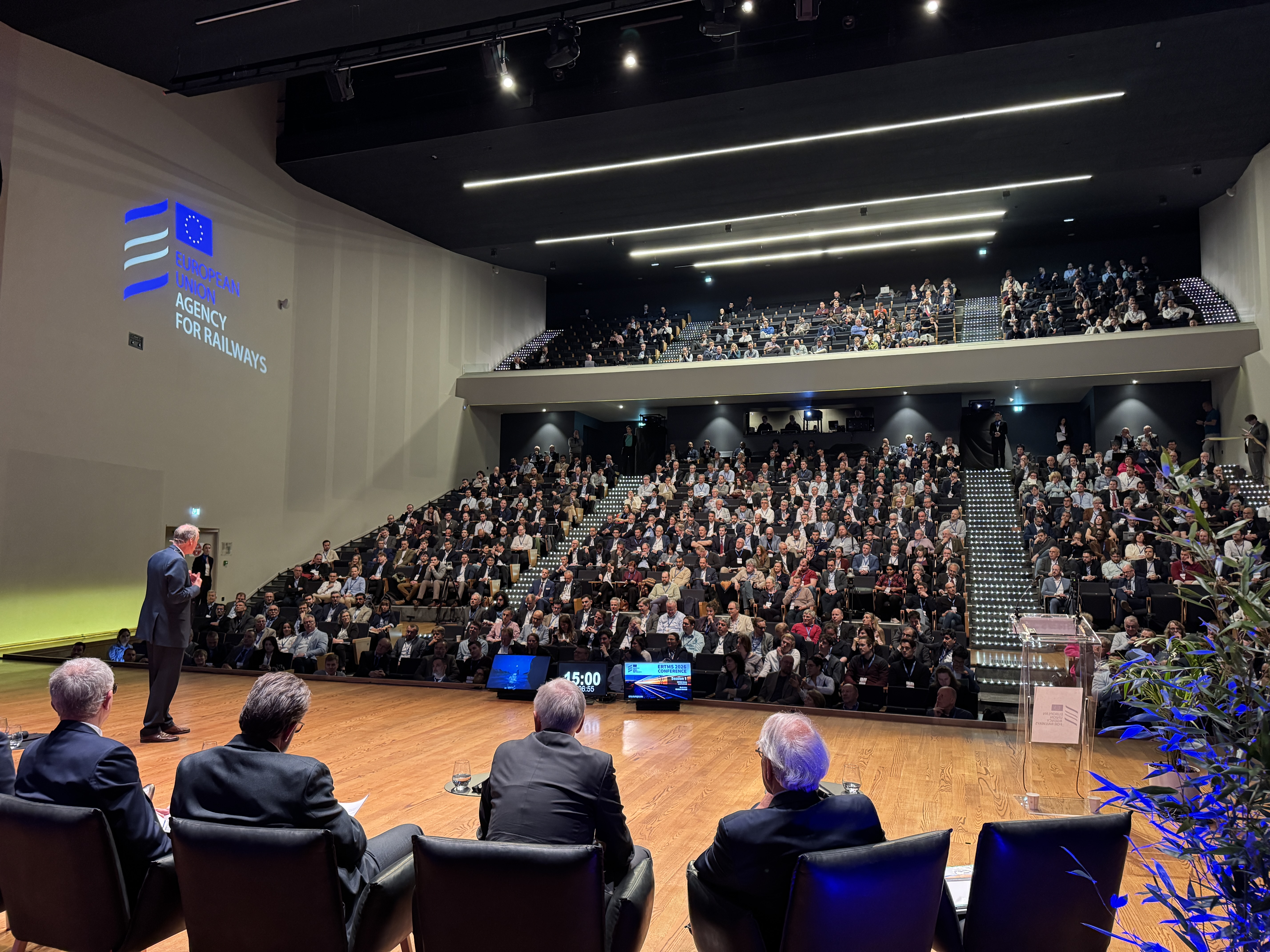
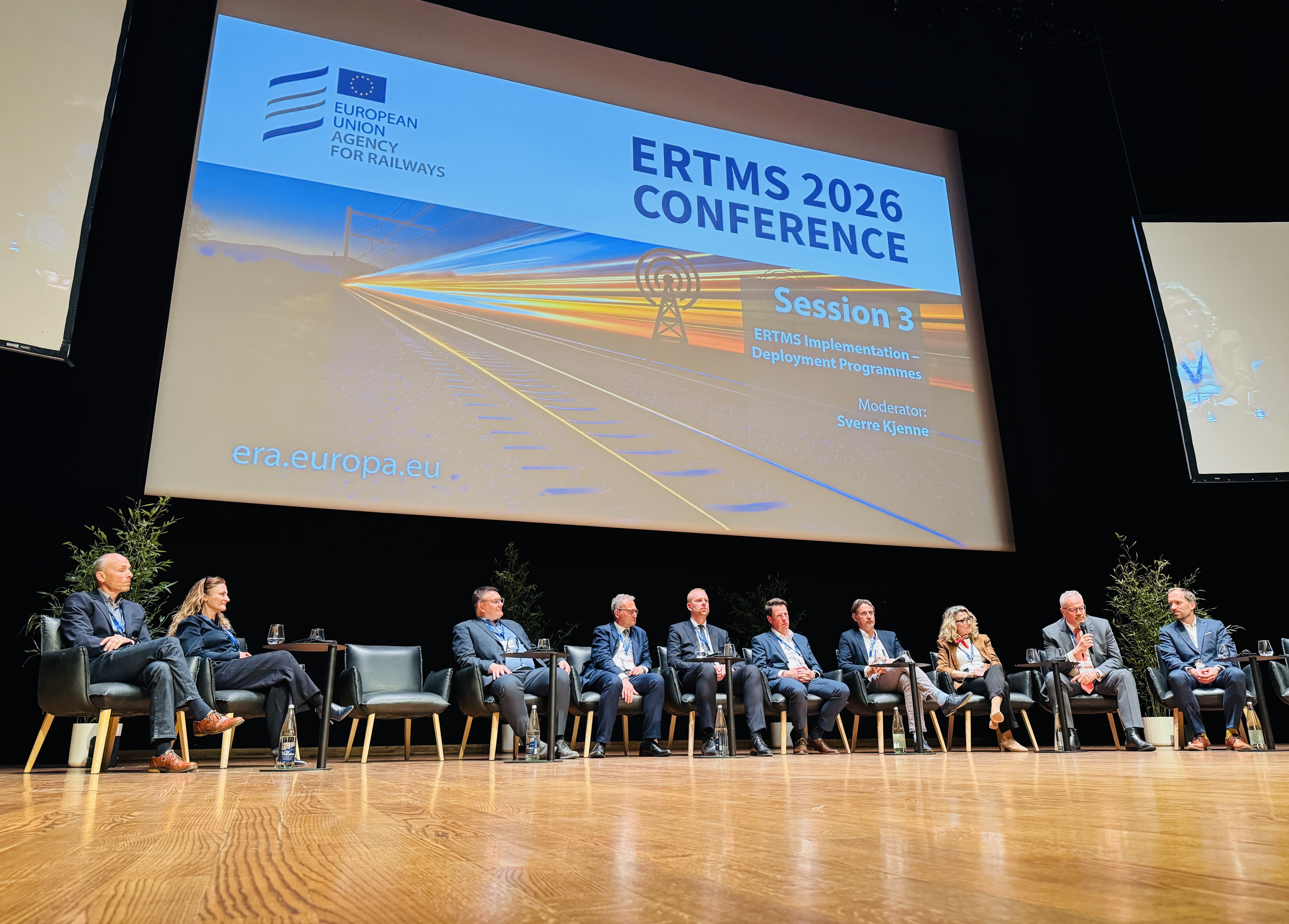
The European Union Agency for Railways welcomes you to the ERTMS 2026 Conference scheduled from 21 to 23 April 2026 in the city of Valenciennes, France. 

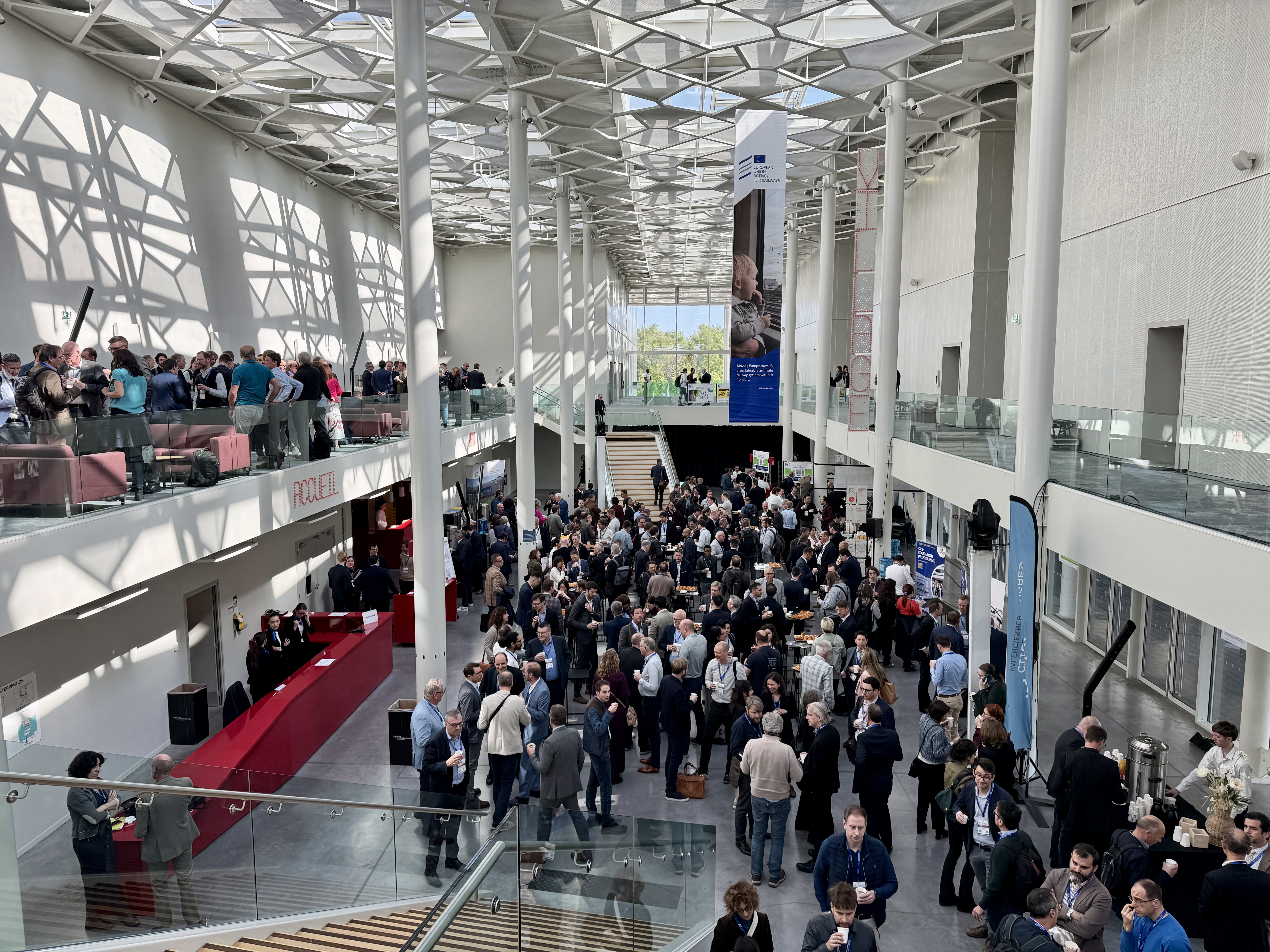
This distinguished conference will present a strong and high-quality agenda, featuring conference sessions and a variety of workshops that will span the full spectrum of topics in the field of ERTMS. The event will bring together policy makers, industry representatives, railway undertaking and infrastructure managers as well as key stakeholders in order to share experiences and drive forward the rollout of European Rail Traffic Management System (ERTMS) in Europe and beyond.

Discover below the newly published, comprehensive descriptions of the workshop sessions.

Join us to learn about the latest developments in ERTMS, expand your professional network and help shape the future of the industry. 

Should you have any questions, please contact the conference team at ERTMSConferenceatera [dot] europa [dot] eu (ERTMSConference[at]era[dot]europa[dot]eu).

 Please follow us on LinkedIn using the hashtag #ERTMS2026

We are looking forward to welcoming you in Valenciennes!

Register now

Why should you attend?

The ERTMS 2026 Conference will provide an in-depth exploration of ongoing projects and successful deployment cases of ERTMS across Europe and worldwide. The agenda will focus on challenges encountered, improvements achieved, and strategies for cost reduction and certification process optimisation. It will also highlight how new technical and technological advancements can further enhance efficiency and performance. Additionally, the conference will address the future of railway communications, including the migration towards FRMCS, offering a forward-looking perspective on innovation and sustainability in the sector.

Agenda

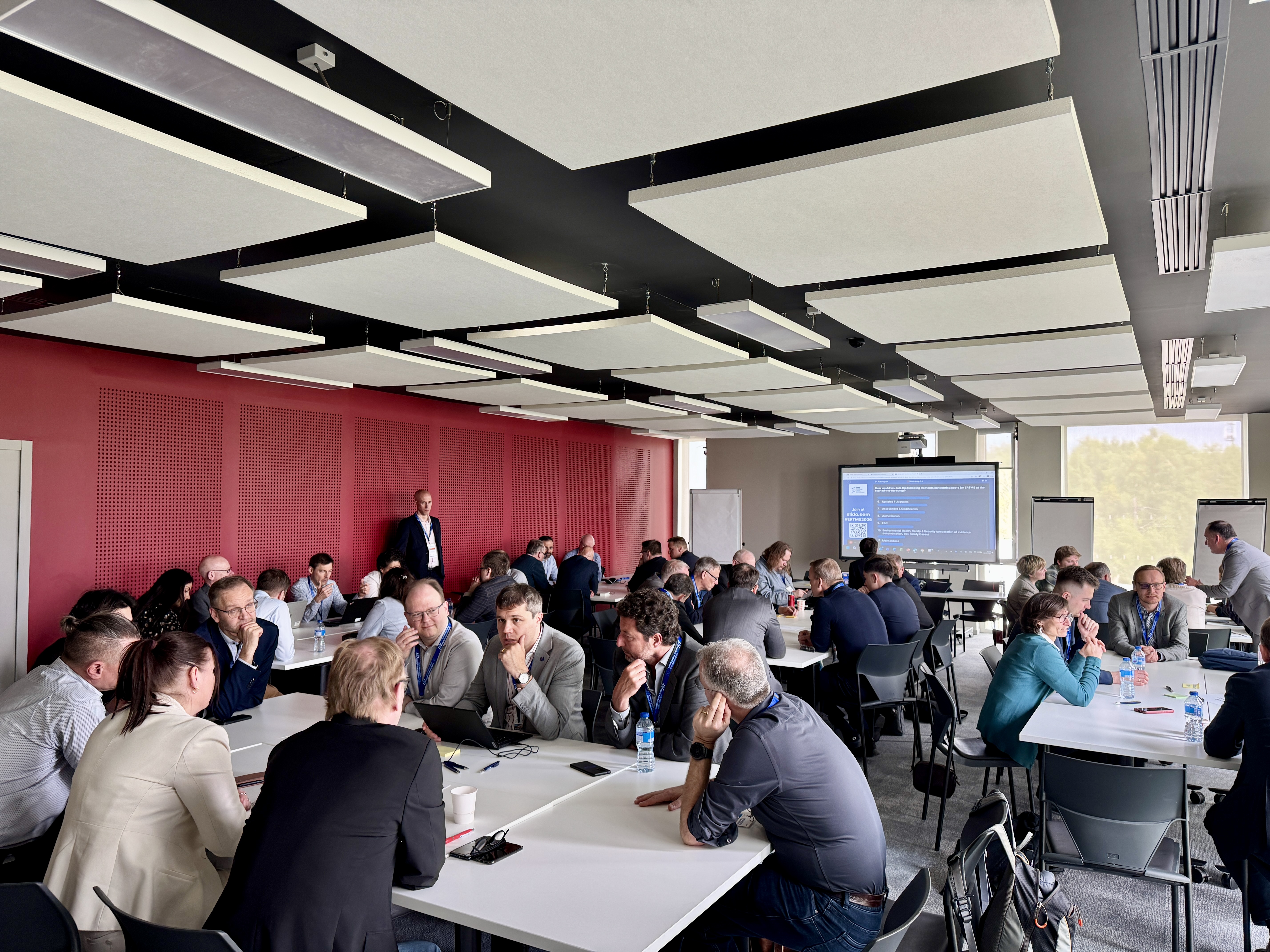
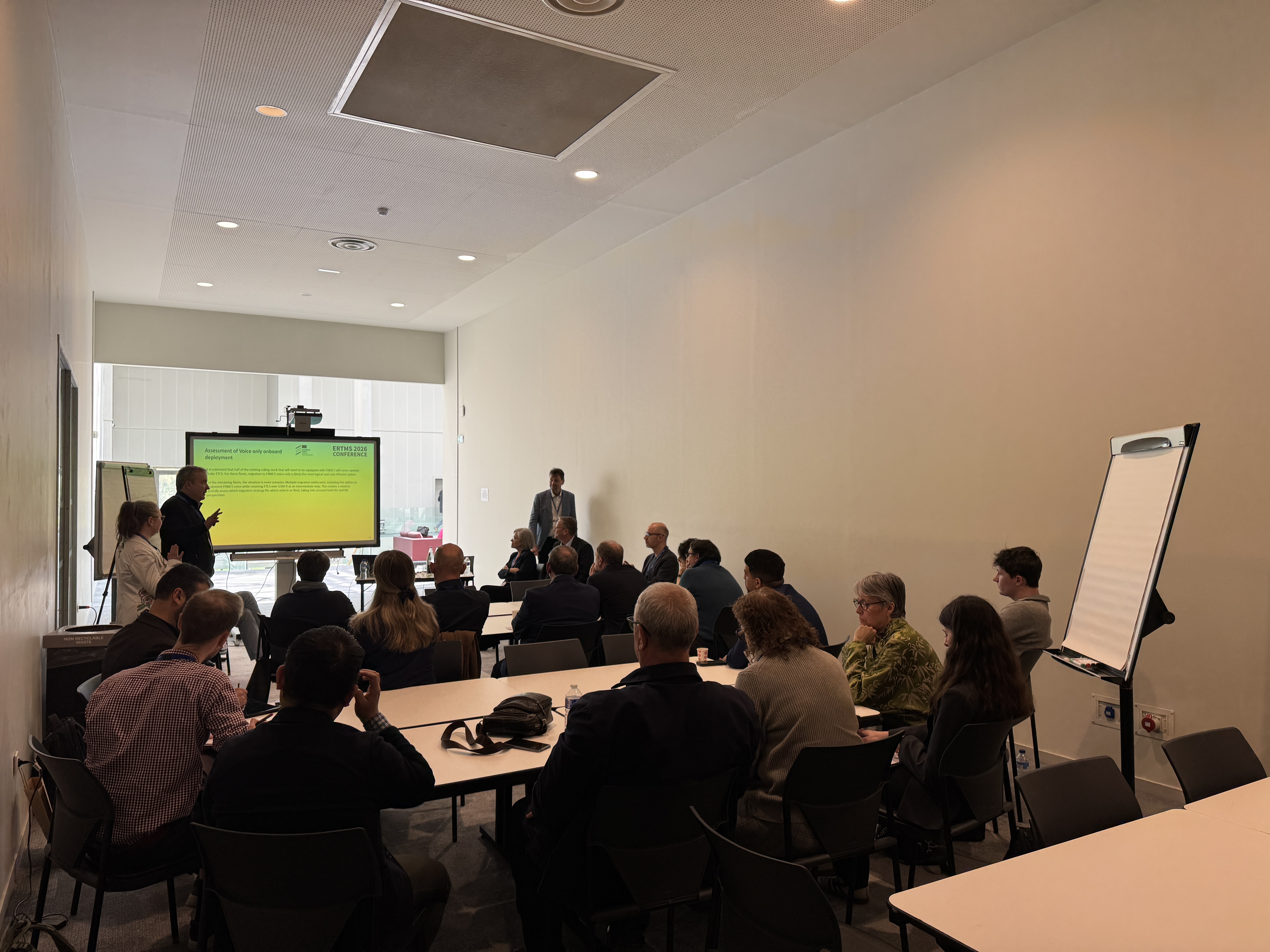
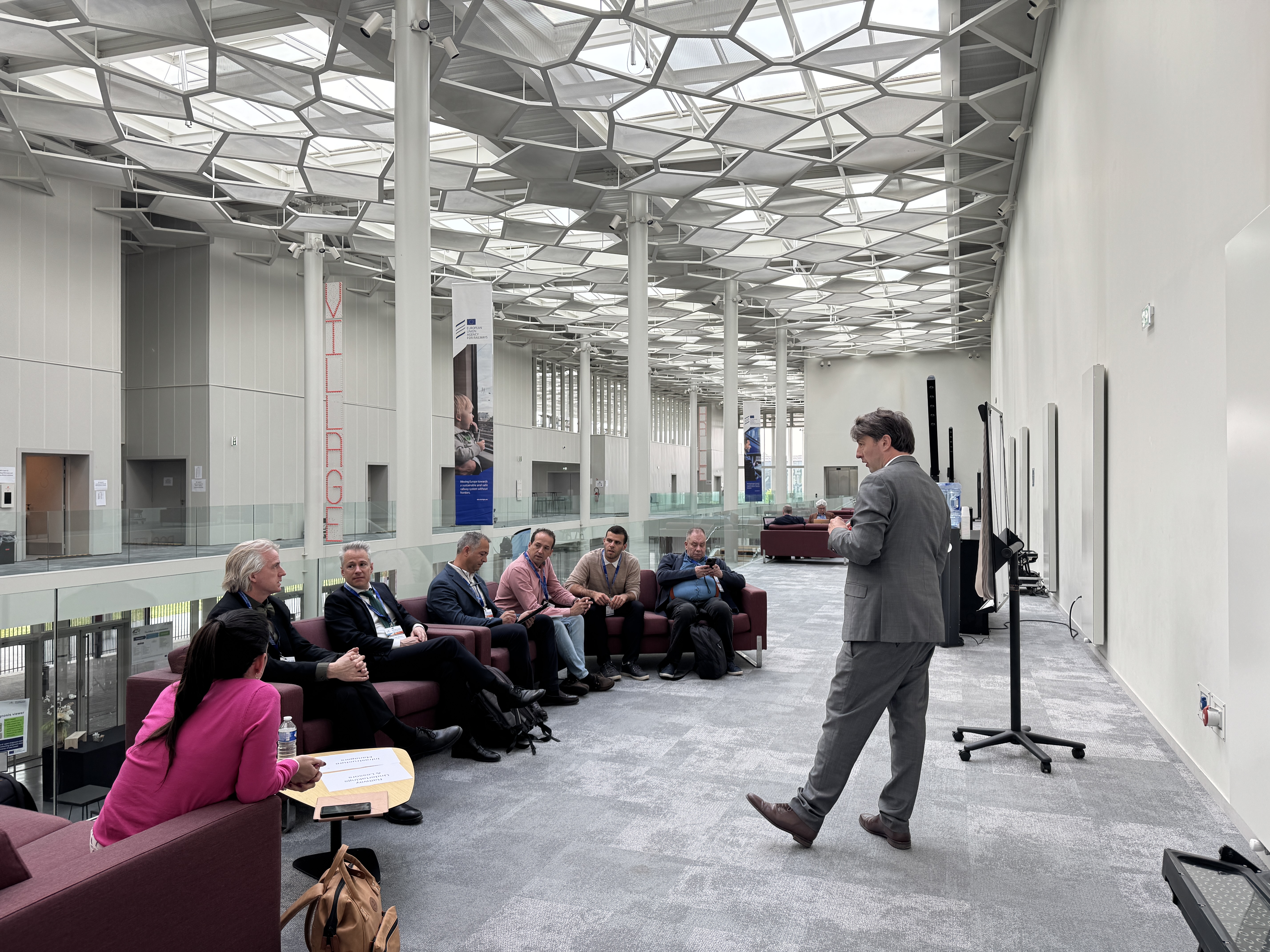
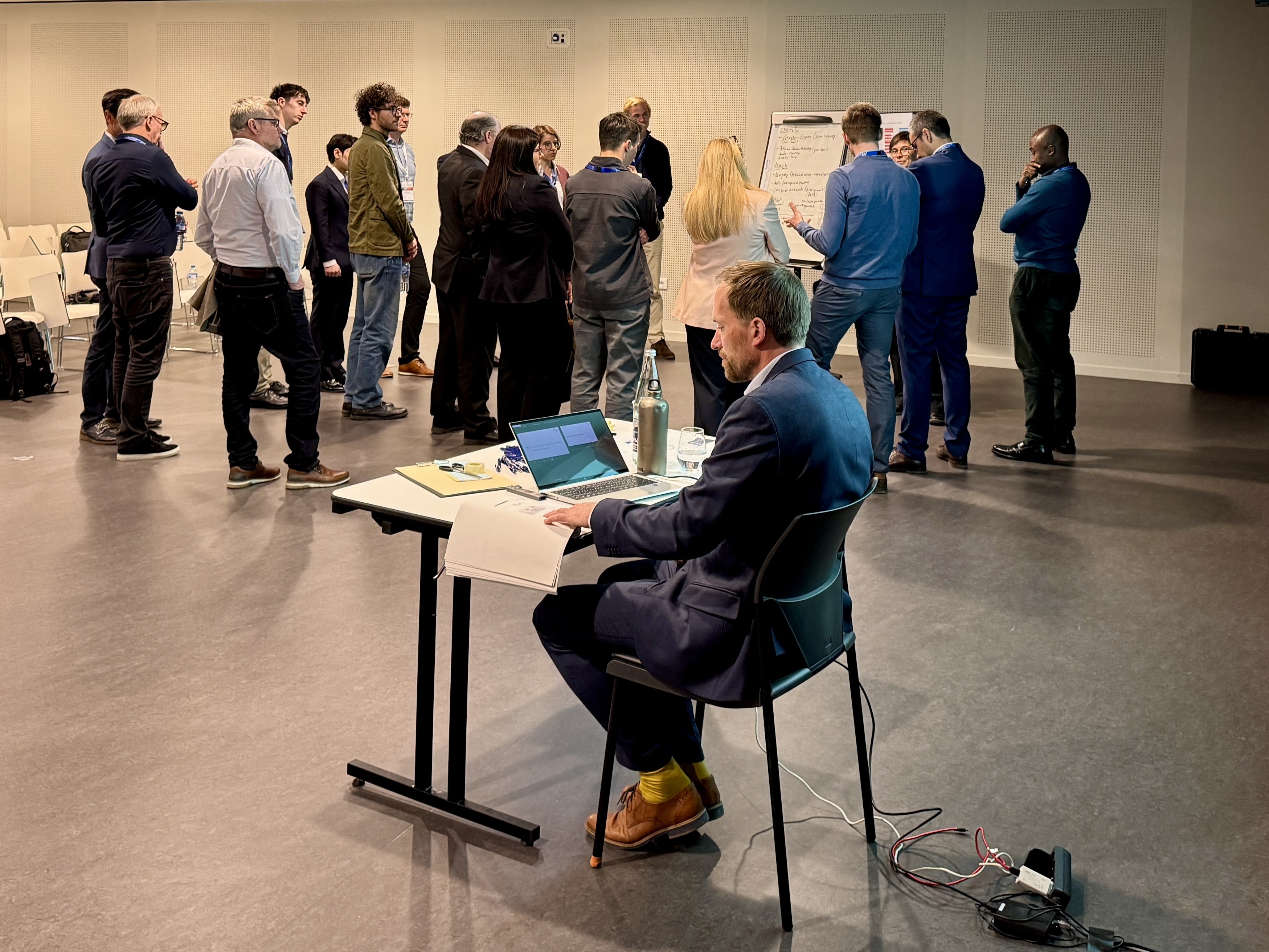
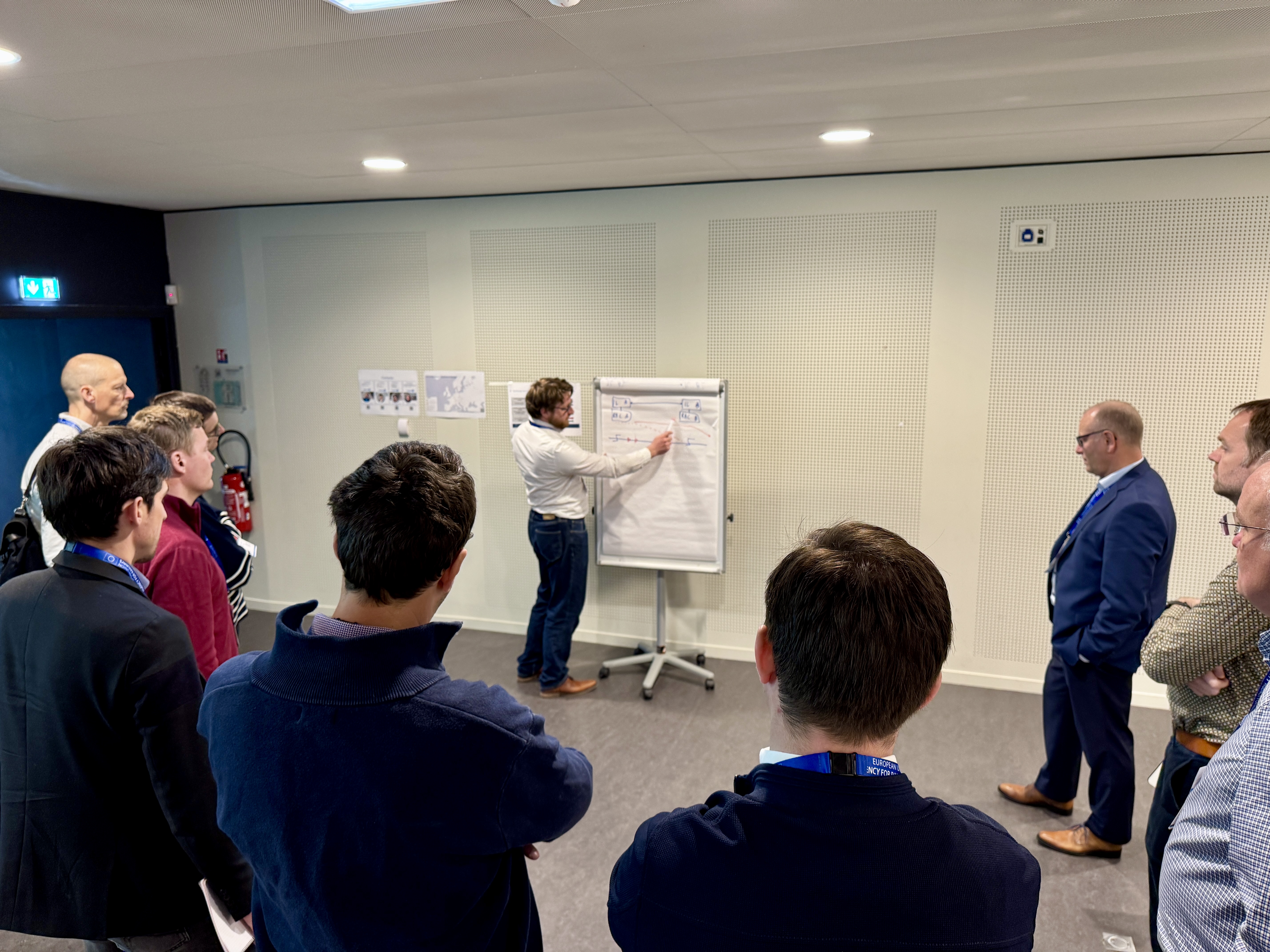
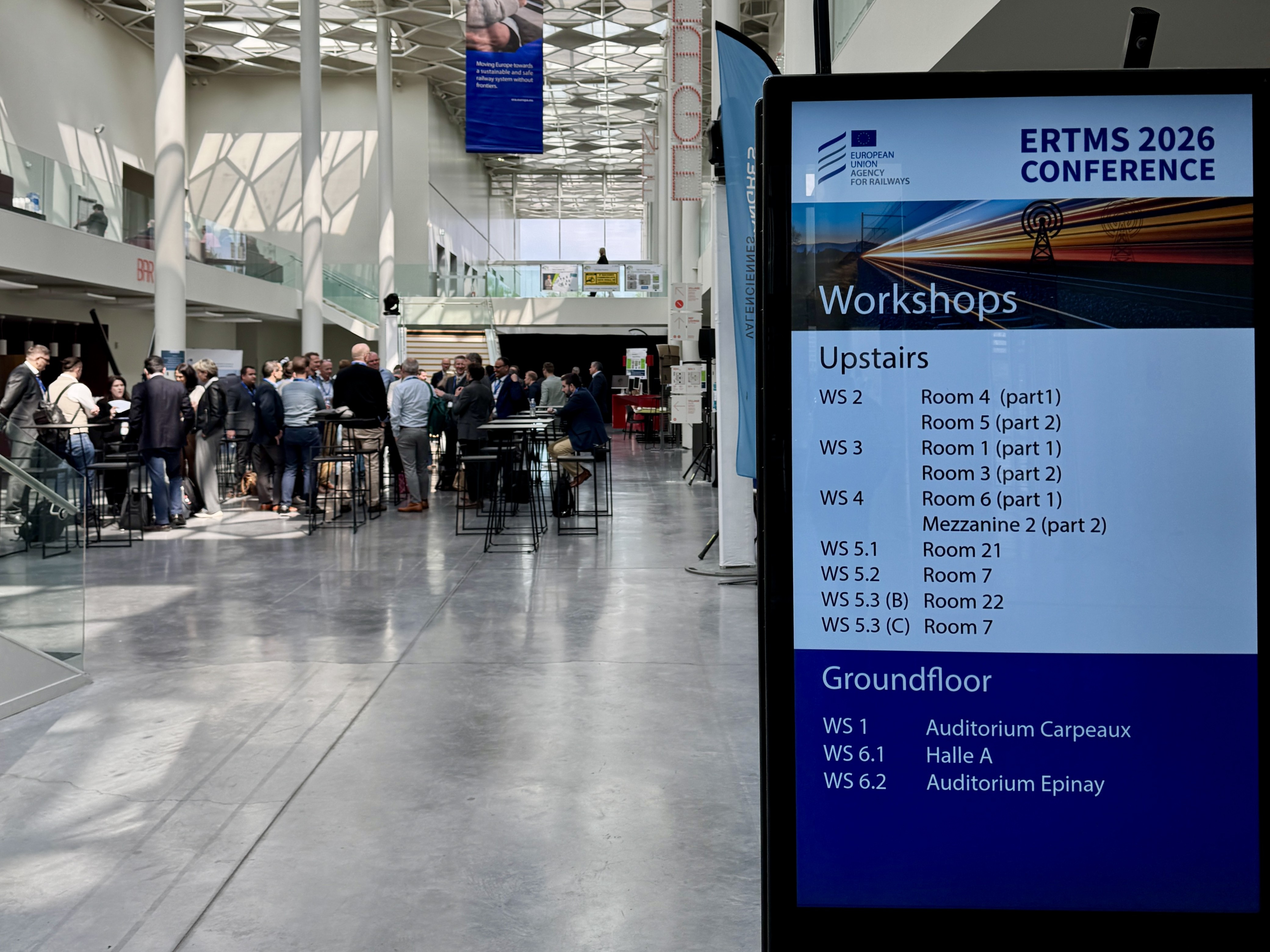
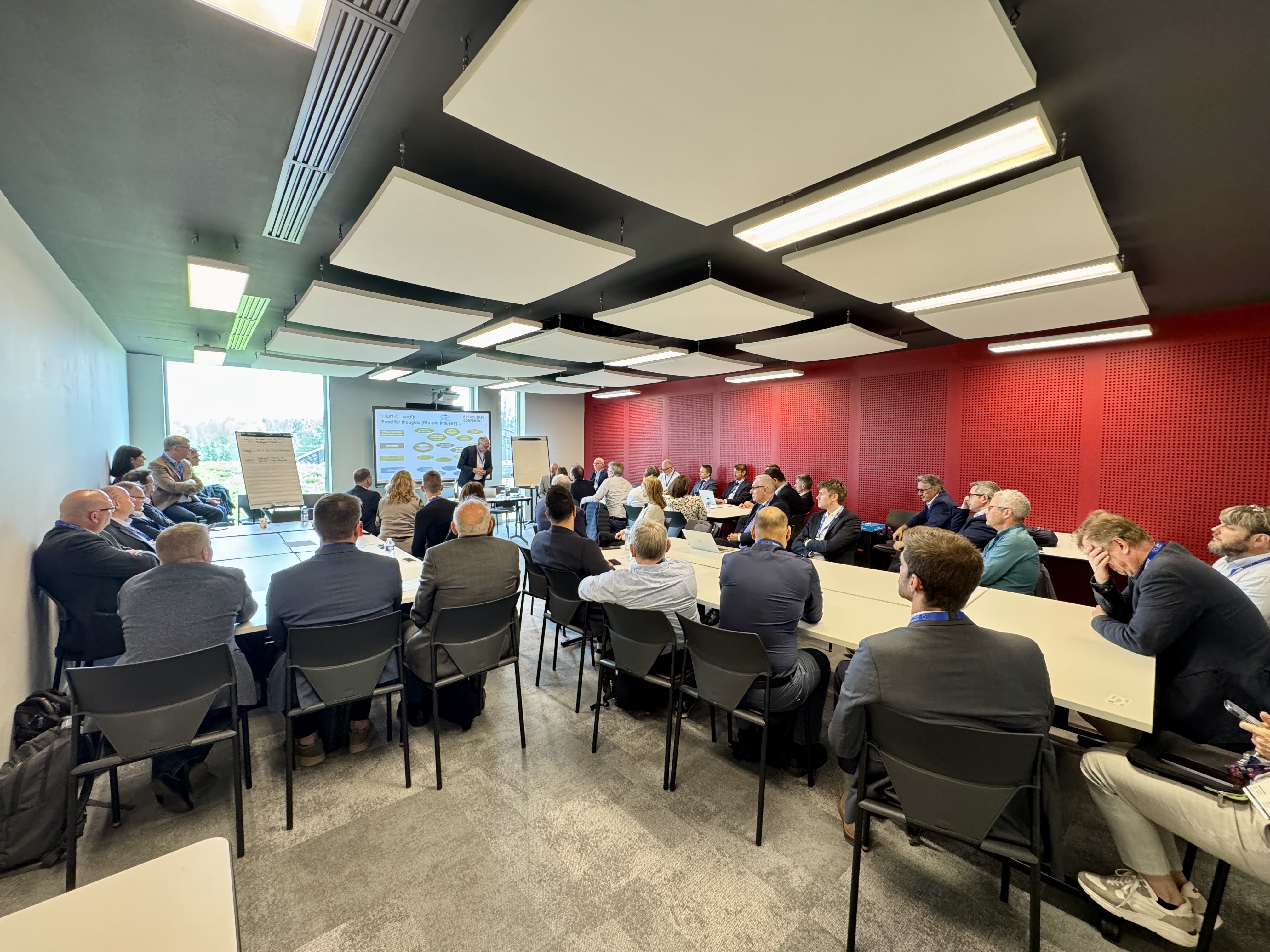
The workshops will provide participants with practical insights and collaborative discussions moderated by industry experts. A preliminary list of the workshops can be found below.


Workshop 1 - Certification and authorisation in the context of large deployments

The objectives of workshop 1 are to identify bottlenecks and propose scalable, digitalised approval processes to handle massive FRMCS and ERTMS deployments efficiently and to review vehicle authorisation provisions in the context of accelerated deployment of ERTMS and migration to FRMCS and DAC deployment. For this purpose, a 2-part workshop organisation is foreseen where different subjects will be discussed

  • Part 1
    • Current bottlenecks in certification/authorisation of vehicles;
    • Scalable approval models for handling large volumes of vehicles;
    • Application of Standard Retrofitting Package on massive retro-fittings for FRMCS;
    • Application of Standard Retrofitting Package on massive retro-fittings for DAC;
  • Part 2
    • Digitalisation and automation in conformity assessment and documentation;
    • Collaboration mechanisms between NSAs, manufacturers, and operators to reduce lead times;

Workshop 2 - Operational Rules for ERTMS - Building a consistent framework

The objective of workshop 2 is to discuss on the harmonisations of operational rules across Europe and integrate digital rulebooks to ensure safe, interoperable ERTMS operations. Several key points for discussion have been identified.

  • Current operational frameworks and their limitations in an ERTMS environment;
  • Cross-border harmonisation: aligning rules between different national networks;
  • Digitalisation of rulebooks and integration into onboard systems;
  • Deeper harmonisation based on L2 only operations from the JU/SP Operational team;

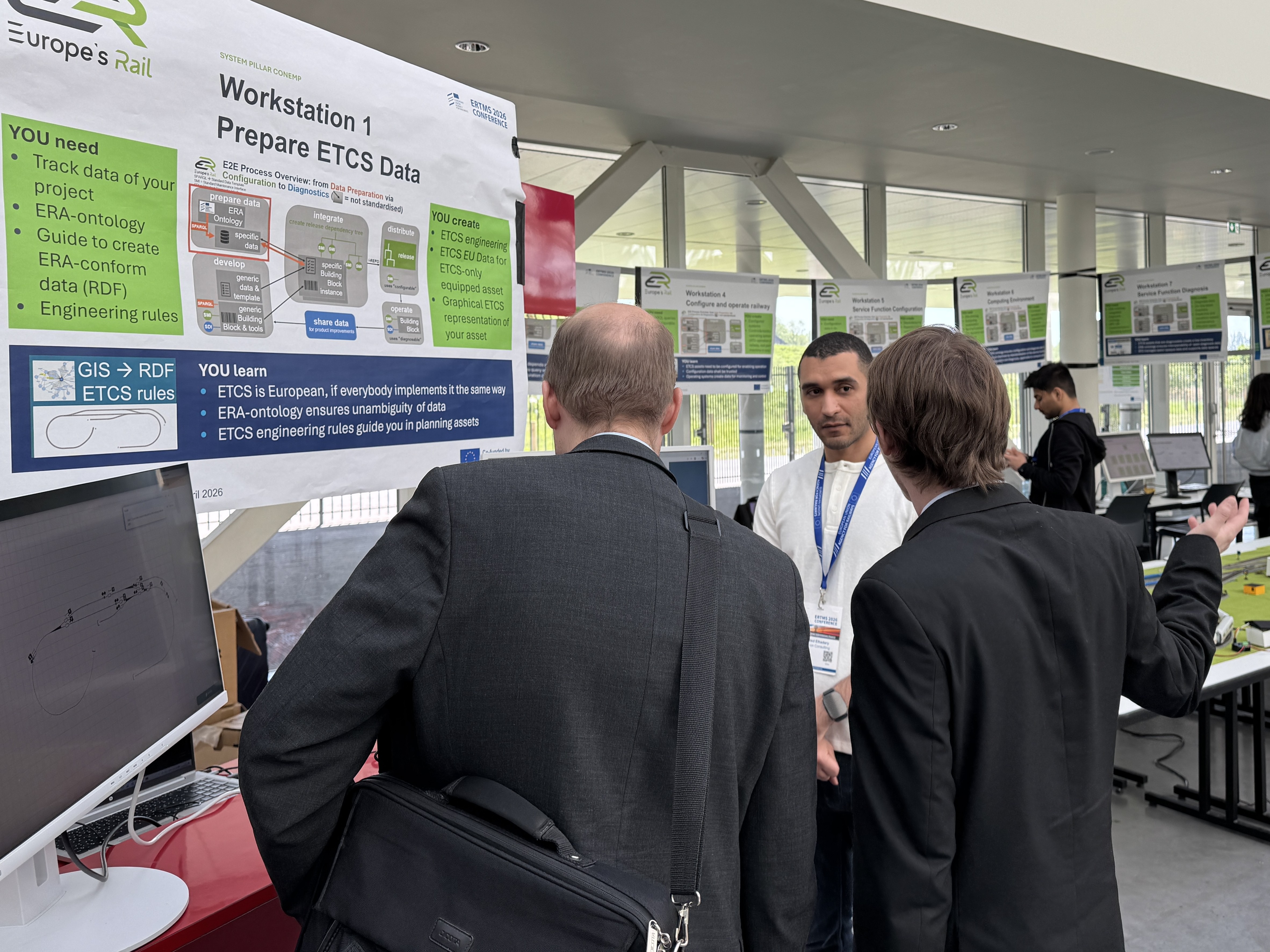
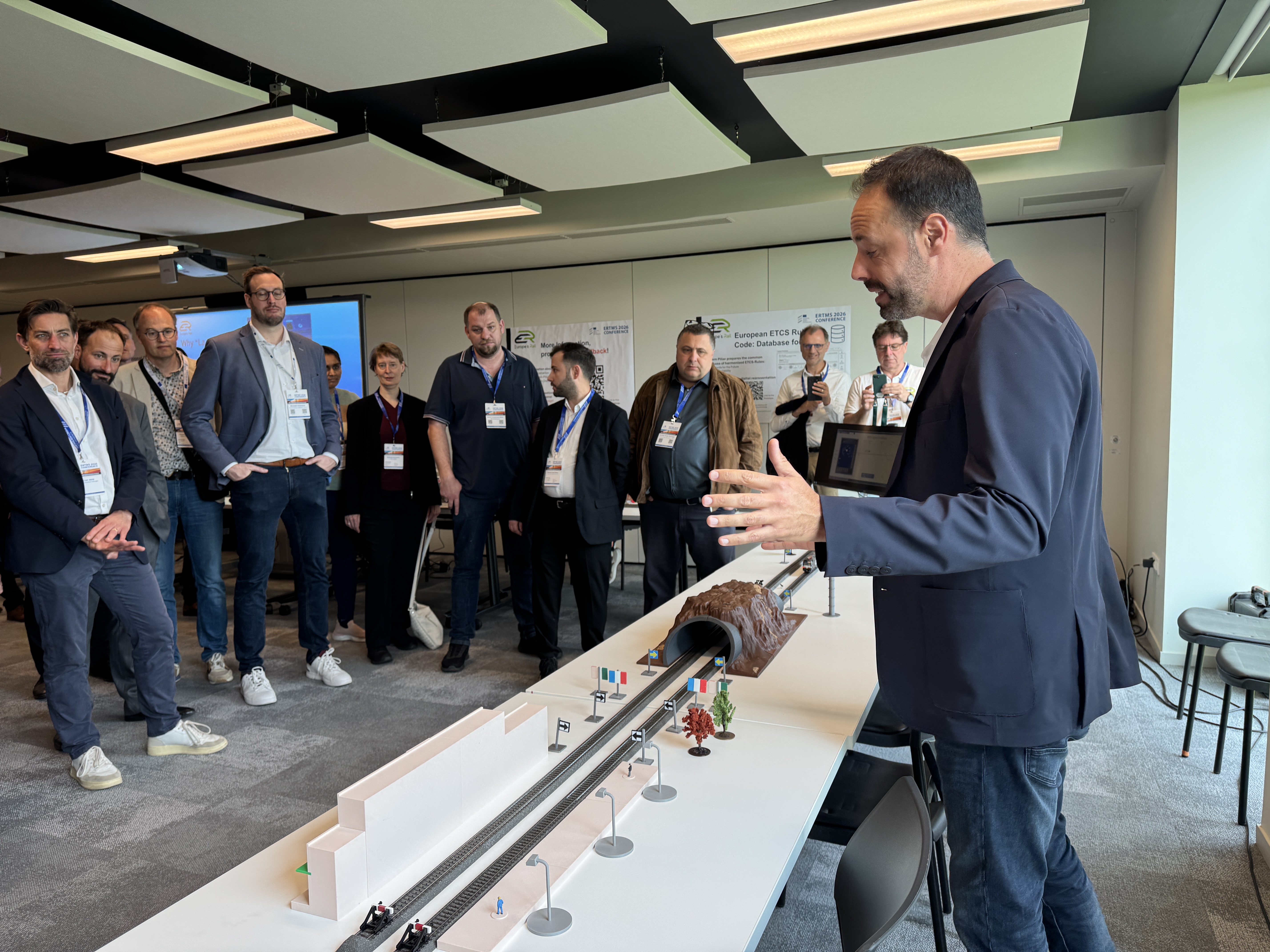
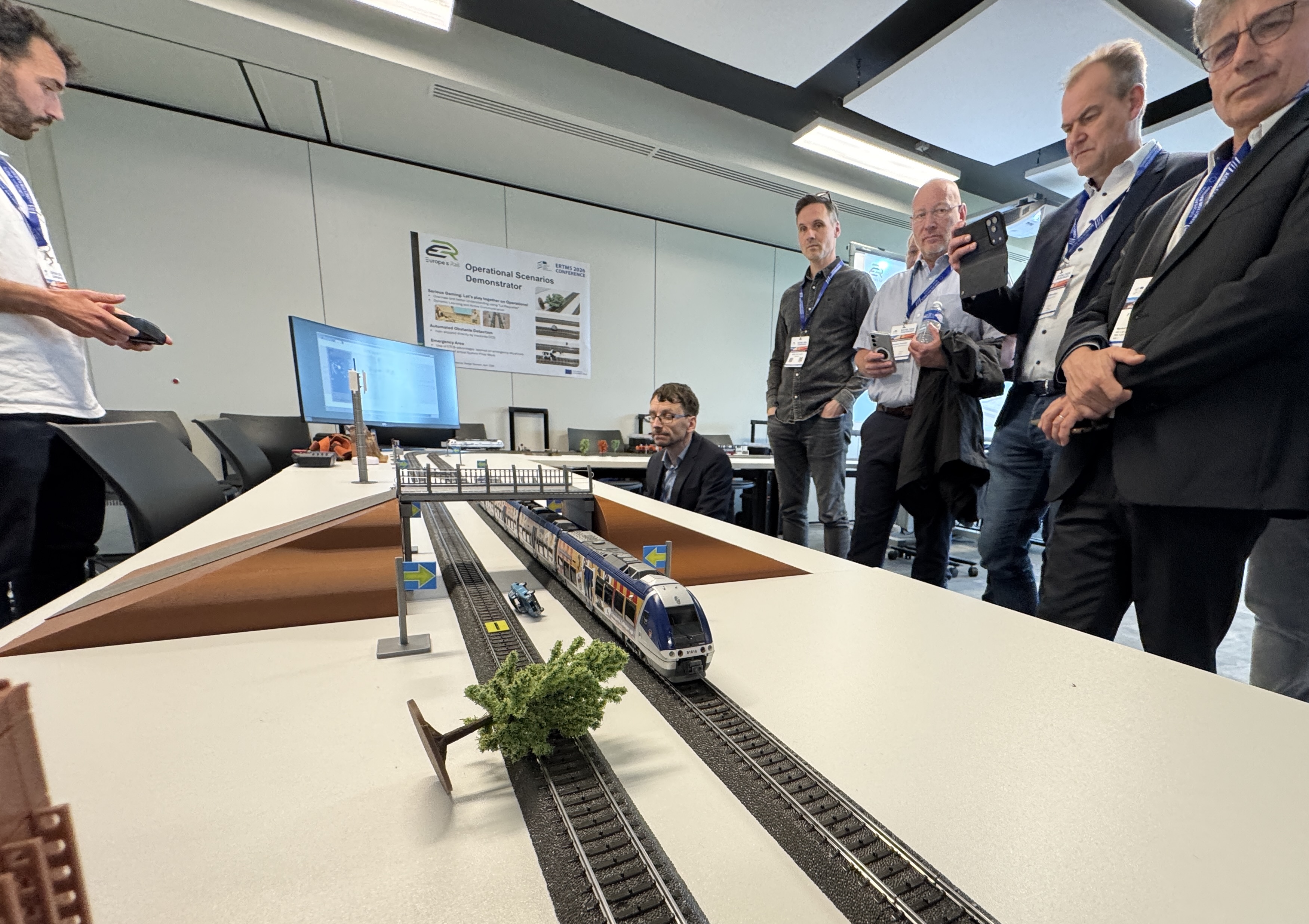
These points will be discussed in a 2-part workshop including discussions, presentations and a demonstrator.

  • Operational Harmonisation and Engineering rules
  • Operational concept for Start of Mission, highlighting the value of fully harmonised operational and design principles;
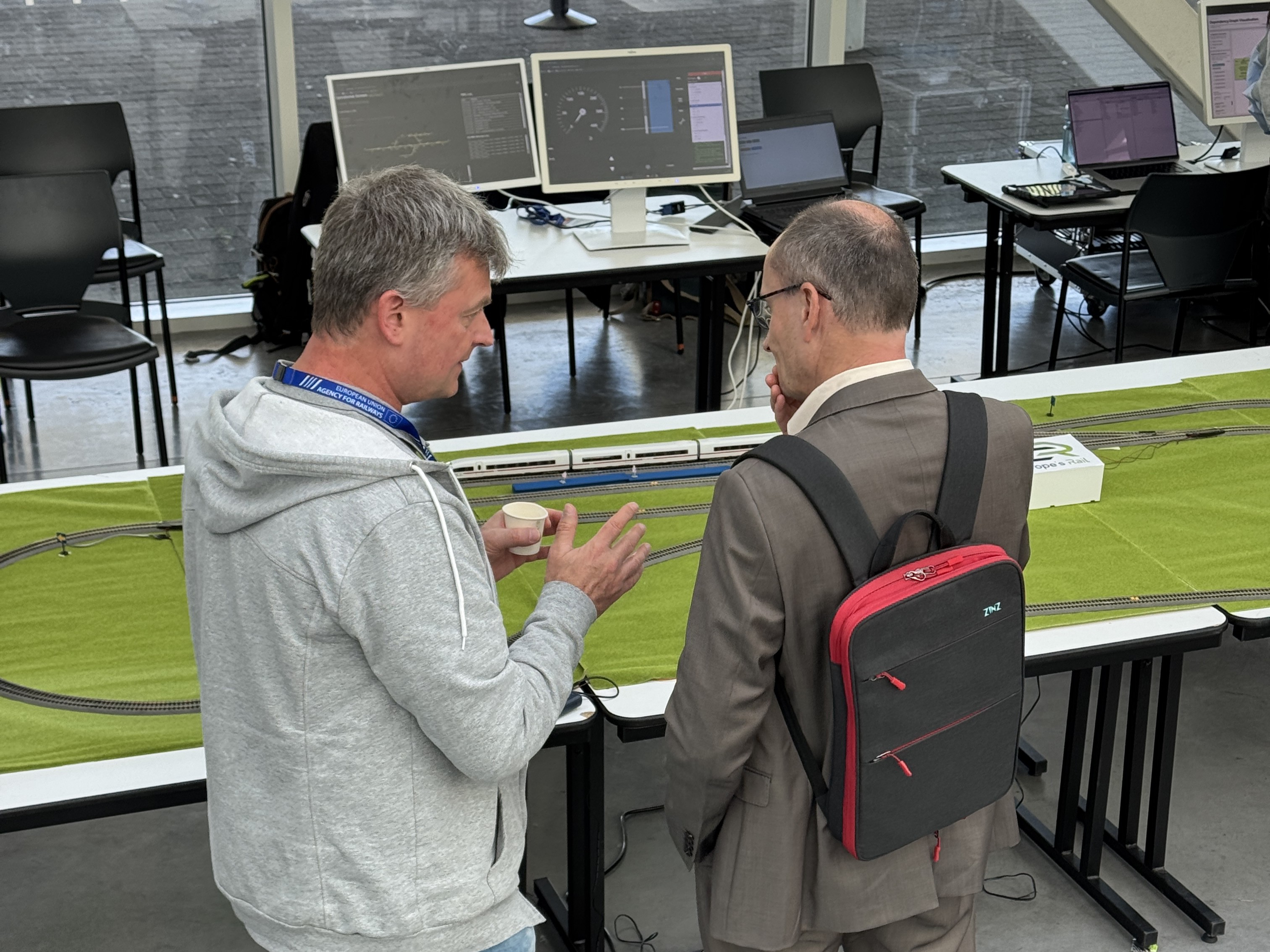
  • SIGMAT simulator demonstration (aligning operational rules between different national networks);
  • La Maquette demonstration (Digitalisation of operational rulebook);

Workshop 3 - Controlling ETCS Costs and exploring efficient solutions

This workshop aims to encourage participants to discuss their views on improving the costs of ETCS. Following a brief introduction from the ERTMS Deployment Management Team, specific questions will be explored in smaller groups. This will foster sharing of ETCS cost experiences among sector stakeholders and identify improvement ideas. Key points for discussion:

  • Current cost drivers in ETCS deployment: infrastructure, onboard equipment, and maintenance;
  • Strategies to reduce costs without compromising safety or interoperability;
  • Low-density lines: feasibility of simplified or more efficient ERTMS solutions;
  • Role of standardisation, requirements and modular design in cost optimisation;
  • Funding models and incentives to support affordable ERTMS rollout;
  • Benefits (Business case) of future ERTMS operations;

Workshop 4 - Practical solutions to overcome FRMCS-related deployment challenges

This workshop will introduce the key elements of the Future Railway Mobile Communication System (FRMCS), focusing on the overall deployment vision, the potential use of public Mobile Network Operators (MNOs), and practical deployment scenarios and applications. Participants will work in several discussion groups to explore these topics from different operational and technical perspectives, encouraging interactive exchange and concrete insights for future implementation. Key points for discussion:

  • Vision for FRMCS Deployment;
  • Use of public Mobile Network Operators (MNO);
  • Deployment scenarios and applications;

Workshop 5.1 - Building resilience and adaptability for ERTMS Cybersecurity risks and mitigation: protecting ERTMS against evolving cyber threats

This workshop will explore how to build resilience and adaptability in ERTMS to protect the system against evolving cybersecurity threats. Participants will work in several discussion groups to examine solutions for a smooth transition toward a secure ERTMS environment, including how to design an efficient European transition regime. The session will also address the economic impact of cybersecurity in the railway sector, highlighting key cost drivers and practical considerations for ensuring a robust, future ready ERTMS. Key points for discussion:

  • Solution for a smooth transition to a secure ERTMS environment / How to design an efficient ERTMS transition regime in Europe;
  • Economic impact and cost drivers for cyber security in the railway sector;

Workshop 5.2 - Building resilience and adaptability for ERTMS achieving an adaptable future through the application of modular RAMS principles 

This workshop will focus on how modular RAMS principles can support a more resilient and adaptable future for ERTMS. Through several group discussions, participants will explore safety processes that enable fast, frequent, and cost efficient evolution of modular CCS systems, as well as strategies for defining Generic Design Safety Cases for modular architectures. The session aims to provide practical insights into deploying modular, future proof ERTMS solutions. Key points for discussion:

  • Safety process to deploy fast, frequent, and cost-efficient evolutions of modular CCS systems;
  • Strategy to define Generic Design Safety Cases for modular architectures;

Workshop 5.3 - Building resilience and adaptability for ERTMS Military mobility needs: ensuring ERTMS supports strategic transport under defence scenarios 

This workshop will examine how ERTMS can support military mobility needs and ensure strategic transport capability under defence related scenarios. Through several group discussions, participants will review the European Commission paper as well as UNIFE and CER position papers, and explore practical ways to guarantee effective military mobility in both peacetime and wartime. The session aims to identify key requirements and operational measures to ensure ERTMS remains resilient and fully capable in defence driven contexts. Discussion keypoints:

  • Discuss EC paper, UNIFE and CER position papers;
  • How to ensure military mobility in peacetime and wartime;

Workshop 6.1 - Advance SERA architecture. Onboard and trackside system evolution, and cross-border interoperability to achieve a unified European rail network 

This workshop will explore the advancement of the SERA target architecture and the evolution of both onboard and trackside systems needed to enable a truly unified European rail network. Through several group discussions, participants will review the current status and implementation roadmap of the SERA architecture, examine how CCS trackside and shared services can be simplified to reduce costs and enhance functionality, and discuss future onboard architectures designed to be modular and scalable for interoperability and digitalisation. The role of safety harmonisation in achieving SERA objectives will also be addressed, highlighting the key steps required for coherent and future proof deployment across Europe. Key points for discussion:

  • The SERA target architecture: Current status and roadmap for full implementation;
  • CCS trackside and shared services architecture: Simplification, cost reduction and functional improvements;
  • Future onboard architecture: modular, scalable designs to support interoperability and digitalisation;
  • Role of safety harmonisation in achieving SERA objectives;

Workshop 6.2 - Advance SERA architecture. Solutions for Cross-Border Interoperability to achieve a unified European rail network 

This workshop will address solutions to strengthen cross border interoperability as a key step toward achieving a unified European rail network under the SERA vision. Through several group discussions, participants will examine the remaining technical and operational barriers that hinder seamless cross border traffic and explore the role of standardisation and governance in overcoming these challenges. The session aims to identify practical measures and harmonised approaches that can support an efficient, interoperable, and future proof European rail system. Key points for discussion:

  • Cross-border challenges: technical and operational barriers still hindering seamless traffic;
  • Role of standardisation and governance in achieving SERA objectives;

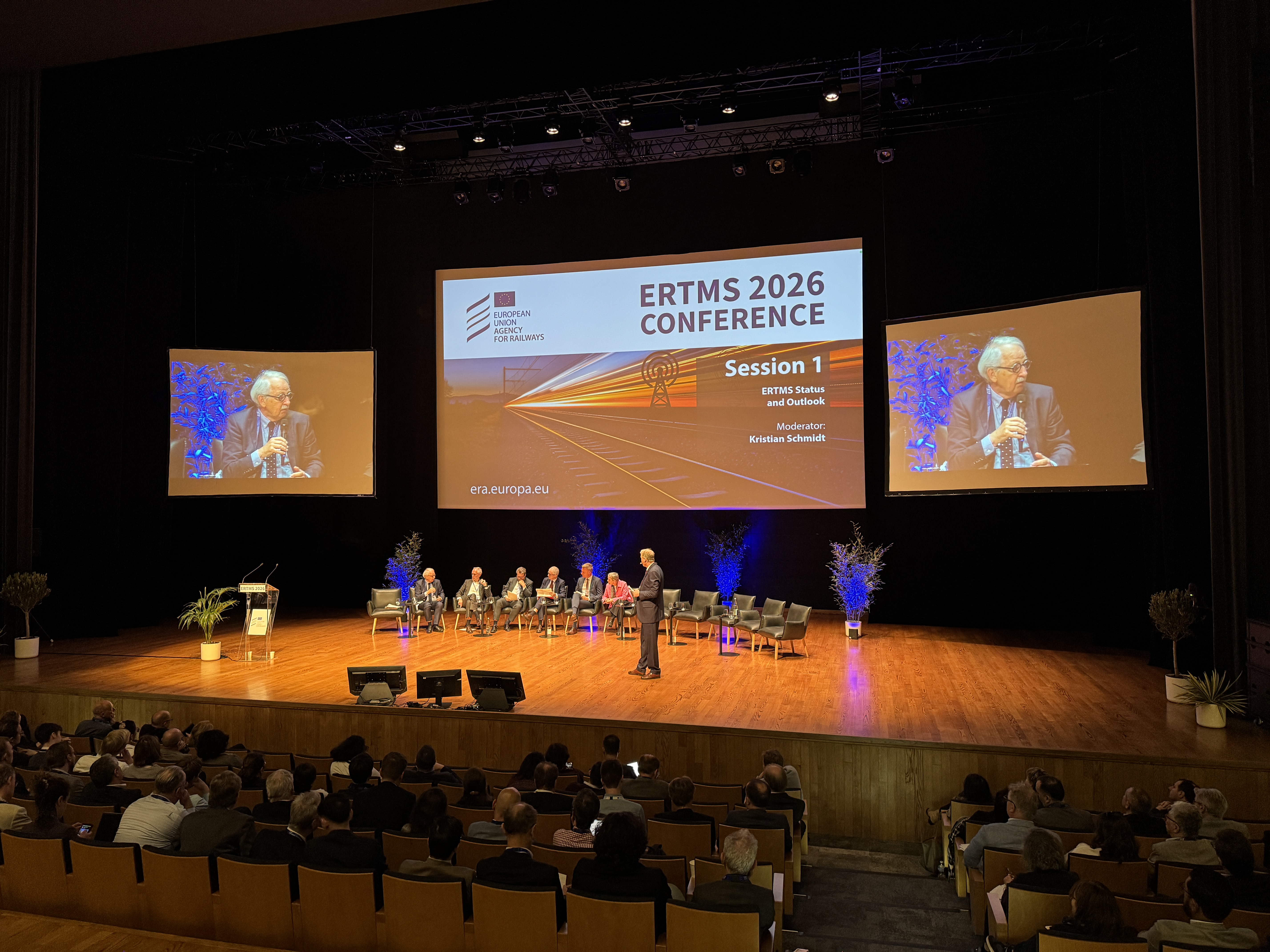
Session 1: ERTMS Status and Outlook, moderated by ERA / DG MOVE 

Organisations participating: DG MOVE, CER, UNIFE, EIM 

Objective of the session:

  • Provide a high level overview of the current ERTMS deployment status in Europe.
  • Highlight regulatory, technical, institutional and financial challenges impacting the roll out.
  • Share the perspectives of major sector organisations on upcoming priorities.
  • Facilitate a structured debate on the future direction and strategic roadmap of ERTMS.

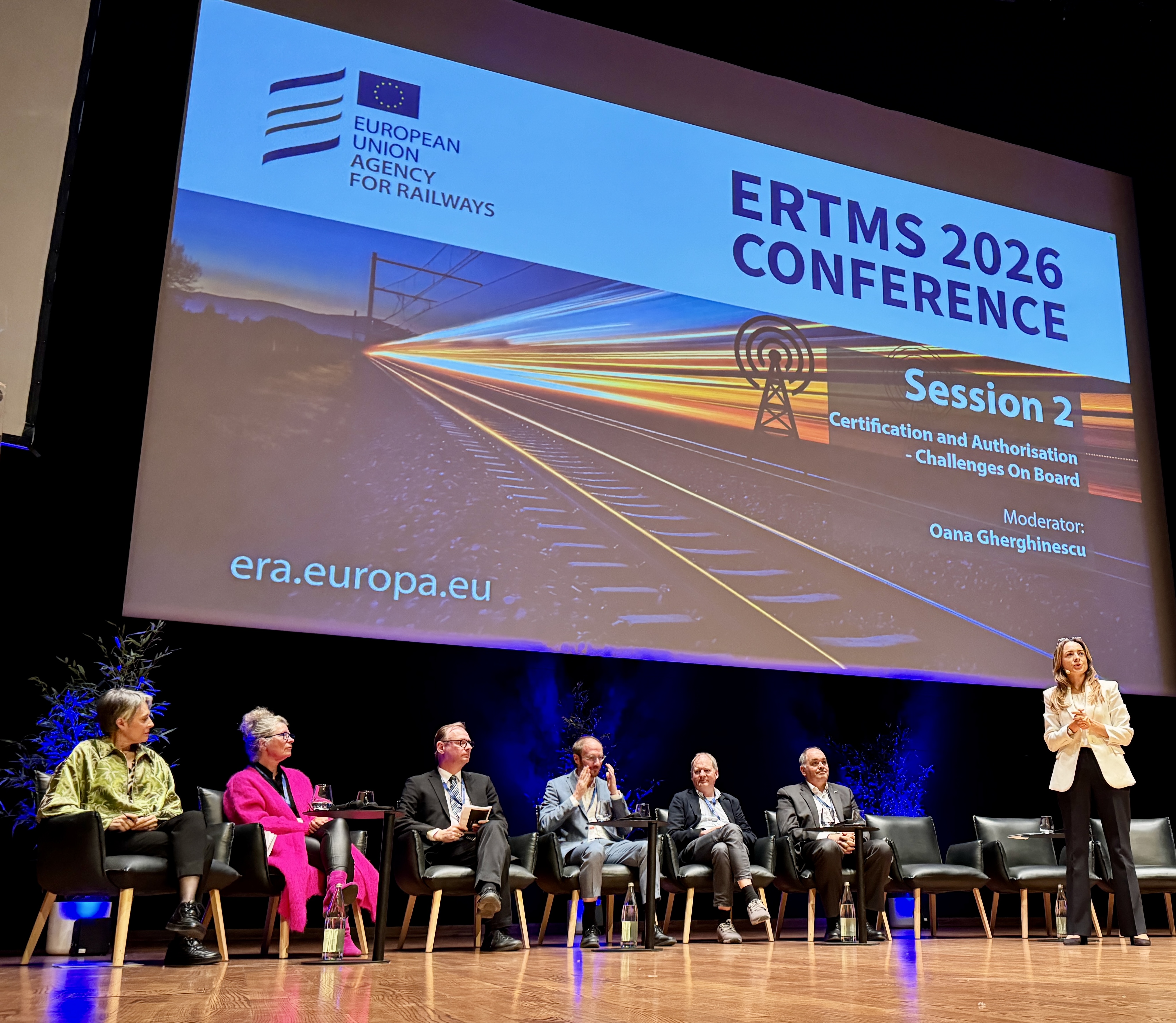
Session 2: Certification and Authorisation - Challenges On Board, moderated by: ERA / DG MOVE 

Organisations participating (TBC): NB RAIL, AERRL, ERA, NSAs 

Objective of the session:

  • Present the main challenges facing conformity assessment bodies, vehicle owners and keepers.
  • Discuss lessons learned and future improvements for Vehicle Authorisation (VA) and Trackside Authorisation (TA).
  • Share operational experiences

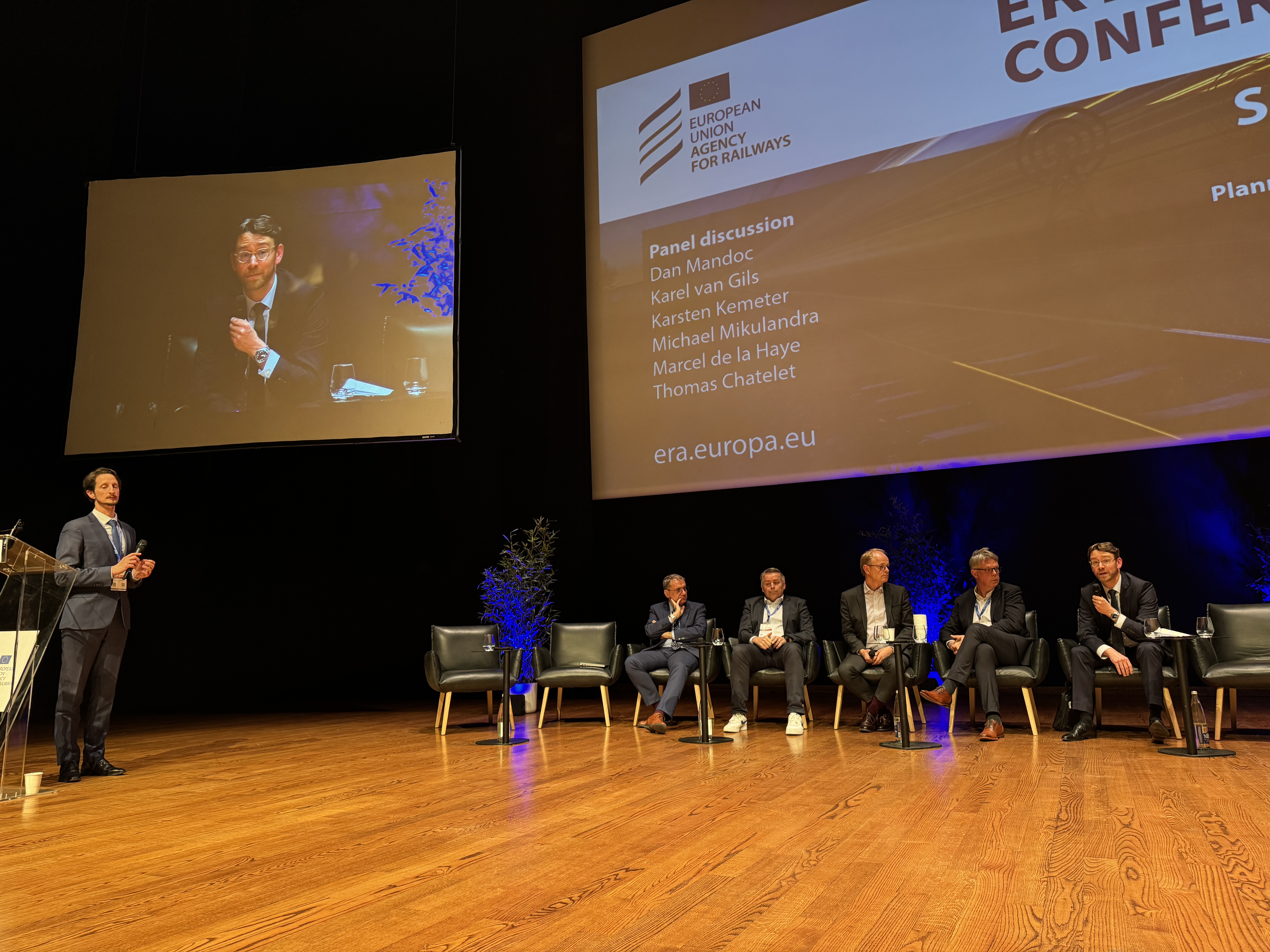
Session 3: ERTMS Implementation – Deployment Programmes, moderated by: EUG 

Organisations participating (TBC): NSA BE, CER, ALE, ETF, UNIFE, ERA 

Objective of the session:

  • Present national deployment case studies and highlight best practices in implementation.
  • Examine challenges linked to cross border operations from a railway undertaking perspective.
  • Promote the role of human factors through driver experiences with ERTMS.

Session 4: FRMCS – Planning and Challenges, moderated by: CER / ERA 

Organisations participating (TBC): UIC, ERA, UNITEL, FOT, SBB, ERJU 

Objective of the session:

  • Present the FRMCS deployment planning, including key milestones and responsibilities.
  • Review testing and validation activities involving industry and operators.
  • Share FRMCS deployment experience, including national planning and operational considerations.
  • Enable an expert panel discussion to address open issues

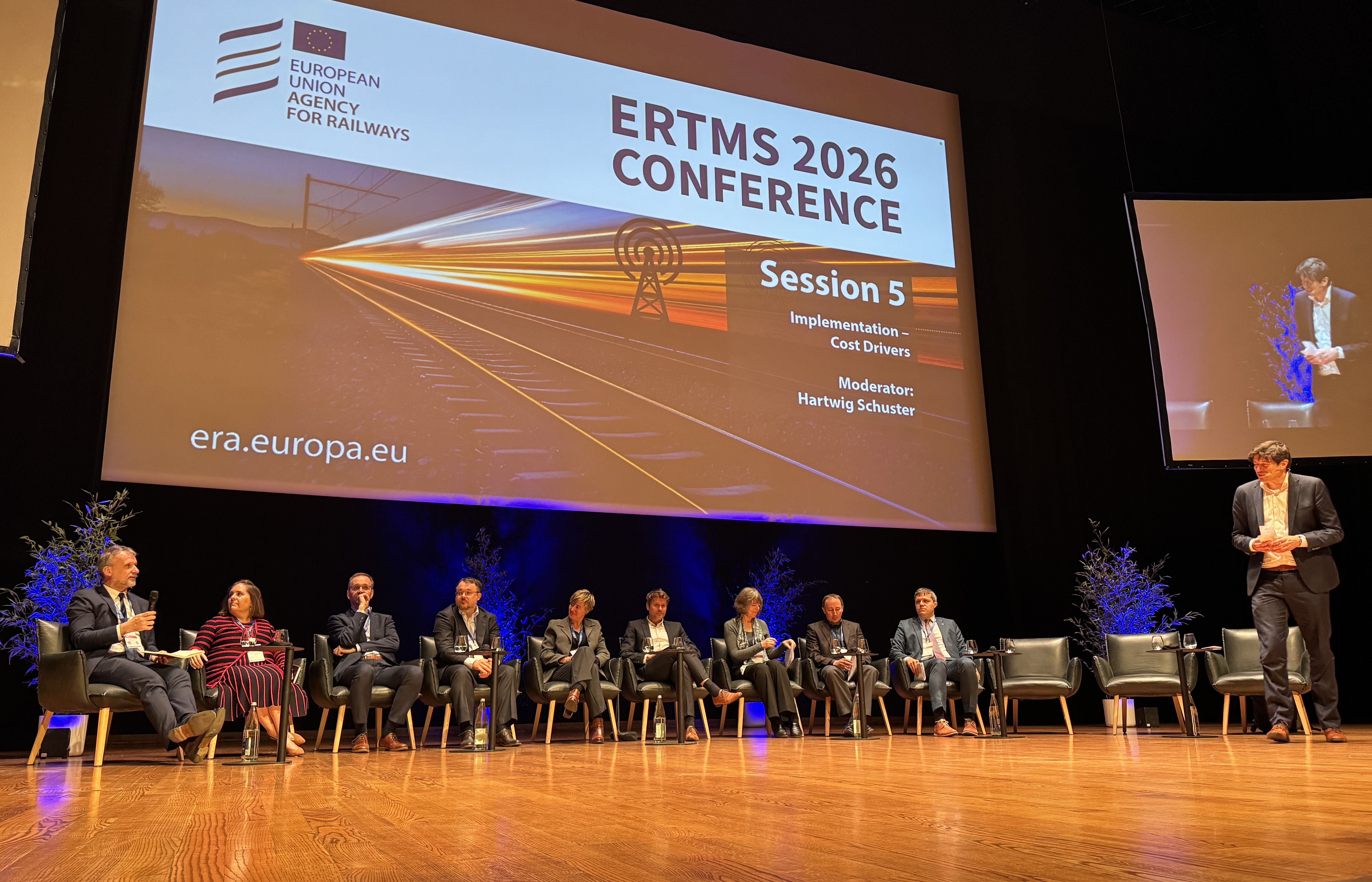
Session 5: Implementation – Cost Drivers, moderated by: UNIFE 

Organisations participating (TBC): DMT / DG MOVE, UNISIG, CER, EAL, NB RAIL, UNISIG / EIM, Outside EU 

Objective of the session:

  • Provide a consolidated overview of the key cost drivers affecting ERTMS implementation.
  • Present sector-wide perspectives on costs and risks for both on board and trackside projects.
  • Identify unnecessary or overly burdensome elements in the conformity assessment process.

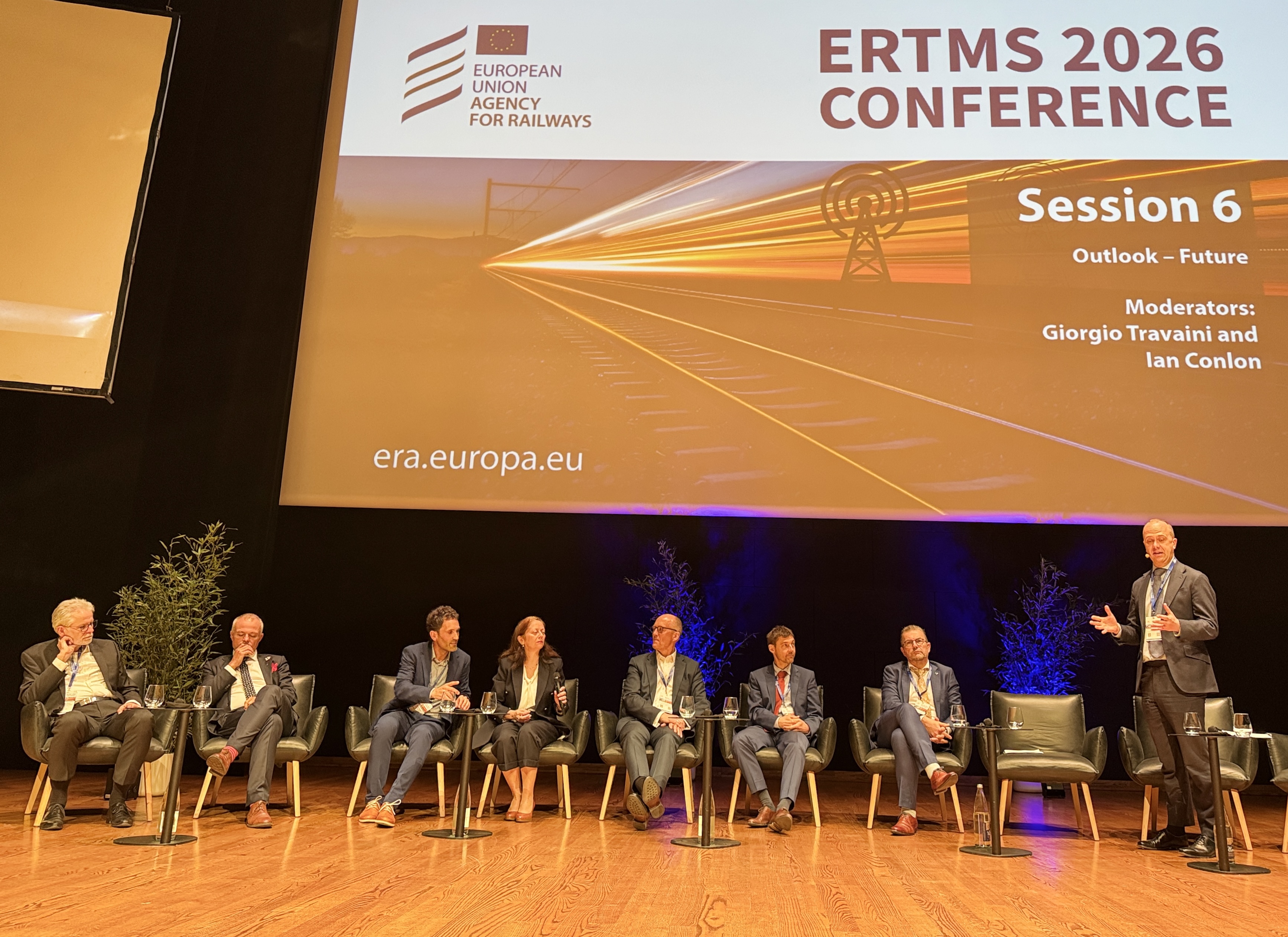
Session 6: Outlook – Future, moderated by: EU RAIL 

Organisations participating (TBC): EU RAIL 

Objective of the session:

  • Explore the balance between system stability and innovation in future ERTMS development.
  • Review the evolution of interfaces with interlockings and the implications for overall architecture.
  • Discuss technological pathways for “shunting without signals” and operational transformations.
  • Present ATO operational experience and identify priorities for future standardisation.

Session 7: Wrap up, Conclusion and Closure, moderated by: ERA 

Organisations participating: ERA 

Objective of the session:

  • Present the main lessons learned during the ERTMS 2026 Conference.
  • Highlight cross session insights and strategic messages for the sector.
  • Formally close the conference and outline follow up actions.
  • Provide a final moment for reflection before the concluding lunch and official end of the event.

Conference fees

Registration Packages

Early Bird Fee

(available until 19 March 2026, 23:59 PM Paris Time)

   Standard Fee 

(starting on 20 March 2026)

Conference participation (21-23 April 2026)

400€

500€

Webstreaming on 22 (a.m and p.m) and 23 (a.m.) April 2026

50€

50€

Register now

We would like to inform you that: 

  • Participants are responsible for their own travel costs and accommodation.
  • The registration for the conference will only be valid after receipt of the full registration fees.
  • On-site registration will not be possible.

Student Opportunity

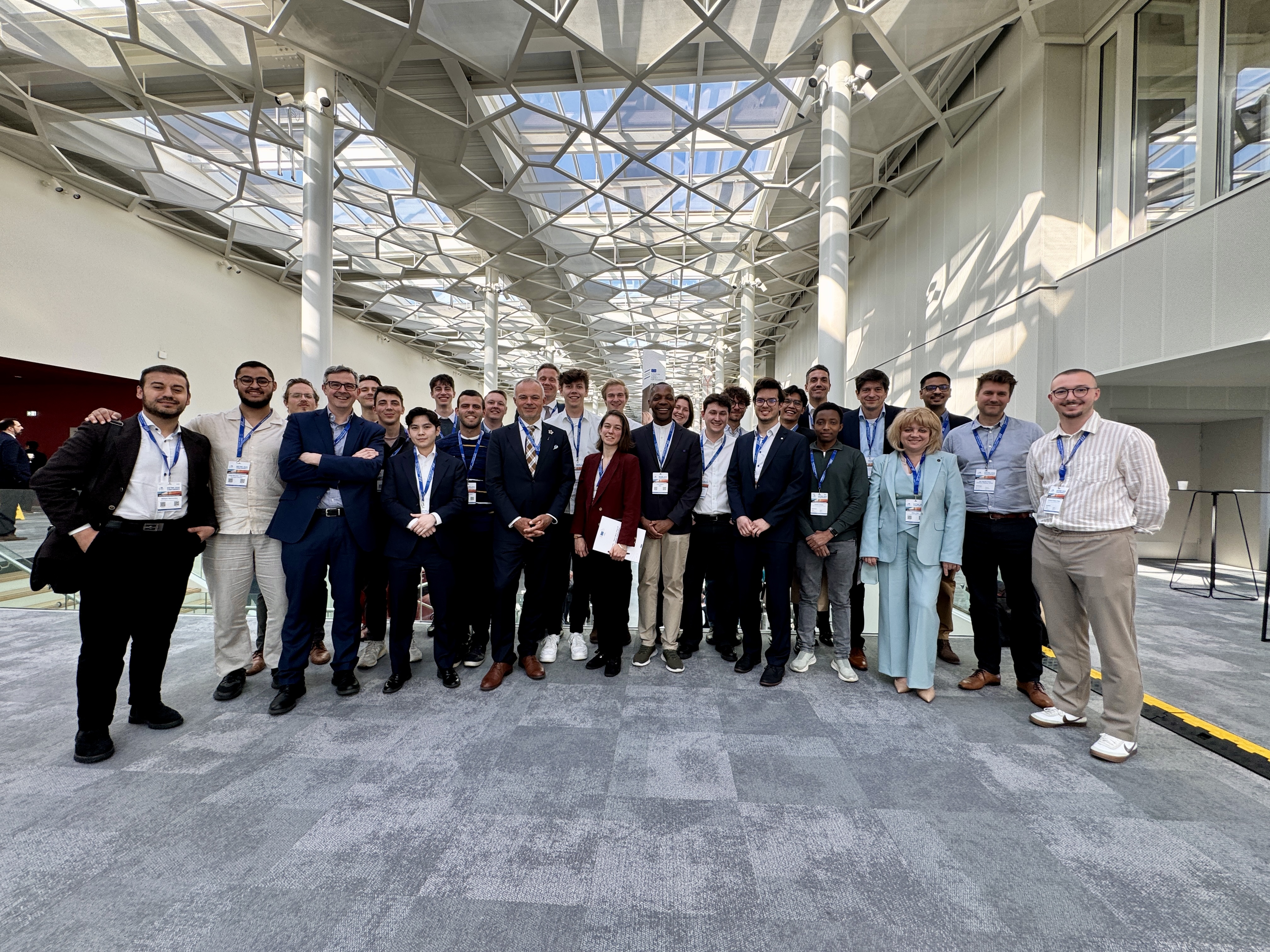
Are you a student interested in railway signalling, the future of railway communications and innovation? 

The European Union Agency for Railways (ERA) is pleased to invite a selection of university students to attend the ERTMS 2026 Conference free of charge in Valenciennes, France. 

This initiative aims to foster knowledge exchange and engagement with future professionals in the railway sector. The conference is especially designed for students interested in the railway industry and railway signalling systems, offering a unique opportunity to learn about the latest developments in ERTMS and interact with leading experts in the field.

Students are responsible for their own travel and accommodation costs and for their meals outside of the conference.

Click here for more information